
September 30, 2026
Natural stone for outdoor spaces: which materials really hold up to the elements
Not all natural stone is suited for outdoor use. Sun, rain, frost, and sudden temperature swings call for different materials than the ones you'd use indoors. Here's what genuinely holds up outdoors.
Granite: the safest choice for outdoors
Granite is, by far, the most recommendable natural stone for outdoor use — it withstands frost, constant sun exposure, and is barely affected by temperature swings. It's the usual choice for outdoor kitchen countertops, pool surrounds, and outdoor flooring.
Quartzite: nearly as tough, with more aesthetic variety
Natural quartzite also performs very well outdoors, with a hardness close to granite but patterns and tones closer to marble — a good option when you want durability without fully giving up on aesthetics.
Travertine: a Mediterranean outdoor classic, with caveats
Travertine has been used for centuries outdoors in Mediterranean climates (terraces, patios, pool surrounds) for its warm look and how well it handles heat under the sun. It does need proper sealing, though, due to its natural porosity.
Marble and onyx: better kept indoors
Both are more porous and more sensitive to temperature changes — constant exposure to the elements speeds up their wear and can affect their finish over time. If you've fallen for marble, save it for covered or partially protected areas.
Our recommendation
Before deciding, tell us exactly where the piece will be — orientation, whether it's covered or fully exposed, and how you'll use it. With over 40 years of experience we know which stone holds up best in each specific situation. Tell us about your project and we'll advise you at no obligation.
You might also like

September 30, 2026
Natural Stone Sinks: Types, Price Guide and How to Choose Yours
Complete guide to natural stone sinks: material types, price guide, and how to choose the right one for your bathroom.
September 27, 2026
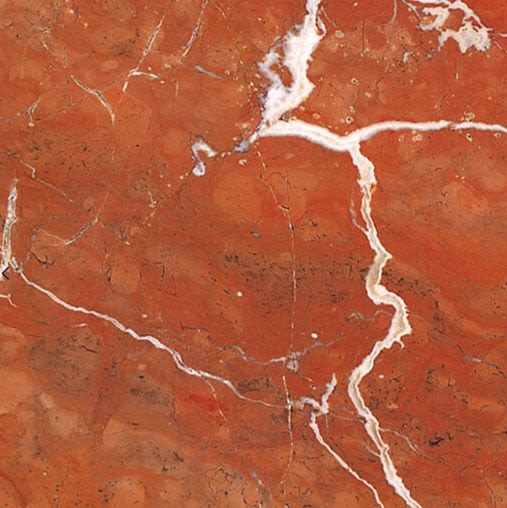
Alicante Red: the Spanish marble named after our own land
Everything about Alicante Red: the Spanish red marble from the province of Alicante, its uses, its care, and why it is one of our most exported materials.

September 26, 2026
Taj Mahal Quartzite: Complete Guide Before You Buy
What Taj Mahal quartzite is, how it differs from quartz, its ideal uses, and what you should know before choosing it for your project.